
CeraVe: Resurfacing Retinol Serum
- Kristine Ohkubo

- Feb 19
- 5 min read

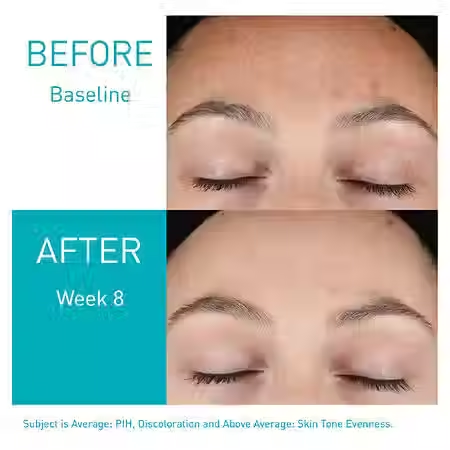
You have likely seen the ads and the before and after photos touting the numerous benefits of CeraVe Resurfacing Retinol Serum, which is priced between $19 and $21 for a 1 oz bottle. This product has gained significant popularity and acclaim as a dermatologist-developed serum specifically formulated to address common skin concerns such as post-acne marks, enlarged pores, and uneven skin texture. The formulation includes encapsulated retinol, niacinamide, and three essential ceramides, all of which work synergistically to brighten and soothe the skin while also restoring its protective barrier. The manufacturers pledge that with consistent, nightly use, users will experience smoother, brighter, and more even skin, with many individuals reporting noticeable improvements within just a few weeks of regular application.
CeraVe, a well-respected skincare brand, was founded in 2005 with a mission to provide effective, dermatologist-recommended products that cater to a variety of skin types. In 2017, the brand was acquired by L'Oréal, further expanding its reach and influence in the skincare market. CeraVe has become a top choice for those seeking affordable, fragrance-free skincare solutions, and it has garnered immense popularity on social media platforms, particularly during the year 2020, when many influencers and skincare enthusiasts began highlighting its benefits.
One of the key ingredients in the CeraVe Resurfacing Retinol Serum is niacinamide, also known as nicotinamide, which is a versatile and effective form of Vitamin B3. This ingredient is celebrated for its ability to improve skin barrier function, reduce inflammation, minimize the appearance of pores, regulate oil production, and fade pigmentation marks. Niacinamide is suitable for all skin types, including those with sensitive skin, making it an excellent choice for individuals dealing with acne, signs of aging, or dryness. Additionally, it acts as a powerful antioxidant, providing further protection against environmental stressors when applied topically.
Another star ingredient in this serum is encapsulated retinol, which is a stabilized form of Vitamin A that is encased in a protective, often lipid-based shell. This encapsulation allows for a slow and controlled release of the retinol into the skin, minimizing irritation while maximizing effectiveness. Retinol has been a staple in dermatological skincare for decades, often regarded as the gold standard for addressing a wide range of skin issues, including acne, wrinkles, sun damage, and enlarged pores. It is frequently combined with other beneficial ingredients such as niacinamide, ceramides, hyaluronic acid, and peptides to enhance skin comfort and overall results.
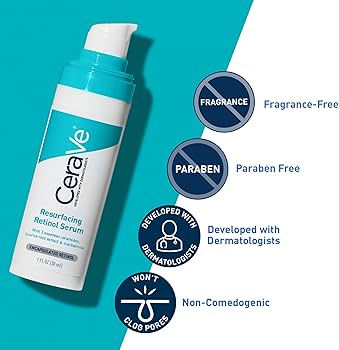
It's important to clarify that retinol should not be confused with retinoids. While both are derived from Vitamin A, retinoids are more potent and classified as pharmaceuticals, which means they require a prescription for use. Recently, however, an over-the-counter retinoid known as adapalene 0.1% gel has become available without a prescription, providing consumers with more options. Retinols, on the other hand, are generally less potent and are widely found in over-the-counter creams categorized as cosmeceuticals.
Ceramides, another critical component of the CeraVe Resurfacing Retinol Serum, are waxy lipid molecules that constitute approximately 50% of the skin's outer layer, known as the epidermis. They serve as the essential "glue" that holds skin cells together, playing a vital role in maintaining a healthy skin barrier. Ceramides help lock in moisture, protect the skin from environmental aggressors such as pollution and UV rays, and soothe irritated or sensitive skin. Both synthetic and plant-derived ceramides (often labeled as ceramide NP, AP, or EOP) are commonly added to cleansers, serums, and creams to replenish the skin barrier. They are safe for all skin types, including sensitive or oily skin, and they work most effectively when combined with other hydrating agents like hyaluronic acid, cholesterol, and fatty acids.
The makers of CeraVe Resurfacing Retinol Serum recommend that users begin by incorporating the product into their skincare routine 1-2 times a week. As the skin gradually adjusts to the retinol, individuals can increase the frequency of application to every other night or, eventually, every night. This gradual introduction is crucial because retinol can often cause temporary side effects known as "retinization," which may last for about 3-4 weeks. These side effects can include dryness, peeling, redness, itching, and increased sensitivity to sunlight. While retinol is highly effective for anti-aging, it can also lead to skin irritation, burning sensations, or an initial increase in breakouts, commonly referred to as "acne purging." It is important to note that retinol is not recommended for use during pregnancy or for individuals with extreme skin sensitivity.
Common initial reactions to retinol use include redness, stinging, burning, peeling, and flaking, which some people refer to as "retinol burn." The purging effect of retinol can lead to increased breakouts as the skin accelerates cell turnover, pushing underlying congestion to the surface. Additionally, retinol can thin the outer layer of the skin, significantly increasing its sensitivity to UV rays, which necessitates the use of daily sunscreen to protect against sun damage.
This is why it is highly recommended that individuals start with a low concentration of retinol and use it only once or twice a week at first, gradually increasing the frequency of use as their skin acclimates. A technique known as the "sandwich" method is often suggested, which involves applying a moisturizer before and after the retinol to help minimize irritation. Since retinol is sensitive to sunlight and can increase UV sensitivity, it is advised to apply it exclusively in the evening to maximize its effectiveness and reduce potential side effects.

Now that you have all of the background information regarding the CeraVe Resurfacing Retinol Serum, it is time for my personal testimonial. After months of consistent use, did the serum deliver the promised results for me? Unfortunately, the answer is no; it did not meet my expectations. While I did not experience any of the adverse side effects mentioned earlier, such as dryness or irritation, I also did not see the smoother, brighter, and more even skin that the product claimed to provide. It did nothing to reduce the appearance of my pores. In fact, I found that the milia I had been struggling with became worse with the introduction of retinol into my routine. Retinol is typically touted as an effective, non-invasive treatment for reducing and preventing milia by accelerating cell turnover and promoting the shedding of trapped keratin. It is often suggested that using a gentle, over-the-counter retinol eye cream nightly can help dissolve these tiny white bumps over a period of 1 to 3 months, particularly around the delicate eye area. Regular application is believed to prevent new, stubborn milia from forming. However, in my case, the CeraVe Resurfacing Retinol Serum simply was not the right choice for my skin. I would also advise others to carefully weigh the risks and benefits before deciding to use this particular serum, as individual results can vary significantly.
Comments