
estee lauder gentle eye makeup remover
- Kristine Ohkubo

- Feb 18
- 4 min read

Did you ever have your mom nag you about not falling asleep with your makeup on? Well, she had a good reason to emphasize this important aspect of skincare. Removing eye makeup nightly is an essential, non-negotiable part of any effective skincare routine, primarily to prevent clogged pores, irritation, infection, and premature aging. The delicate skin around our eyes is particularly vulnerable, and failing to remove makeup can lead to a variety of issues. For instance, the accumulation of mascara, eyeliner, and eyeshadow can result in styes, which are painful and unsightly. Additionally, neglecting to cleanse this area can lead to brittle lashes, making them more prone to breakage, as well as eye irritation that can manifest as redness or discomfort. Proper makeup removal not only helps to prevent these problems but also allows for better penetration of nighttime skincare products, which is crucial for supporting skin regeneration and maintaining a youthful appearance.
Over the years, I have tried a multitude of makeup removal products, many of which left much to be desired. Some stung my eyes painfully, while others simply did not perform well in effectively removing makeup, leaving my eye area feeling parched and irritated. However, everything changed when I discovered Estee Lauder's Gentle Eye Makeup Remover. This remarkable product has truly transformed my skincare routine. Retailing at $28 for a 3.4 oz. bottle, it is one product that I have made a staple in my beauty arsenal, ensuring I always have it on hand for nightly use.
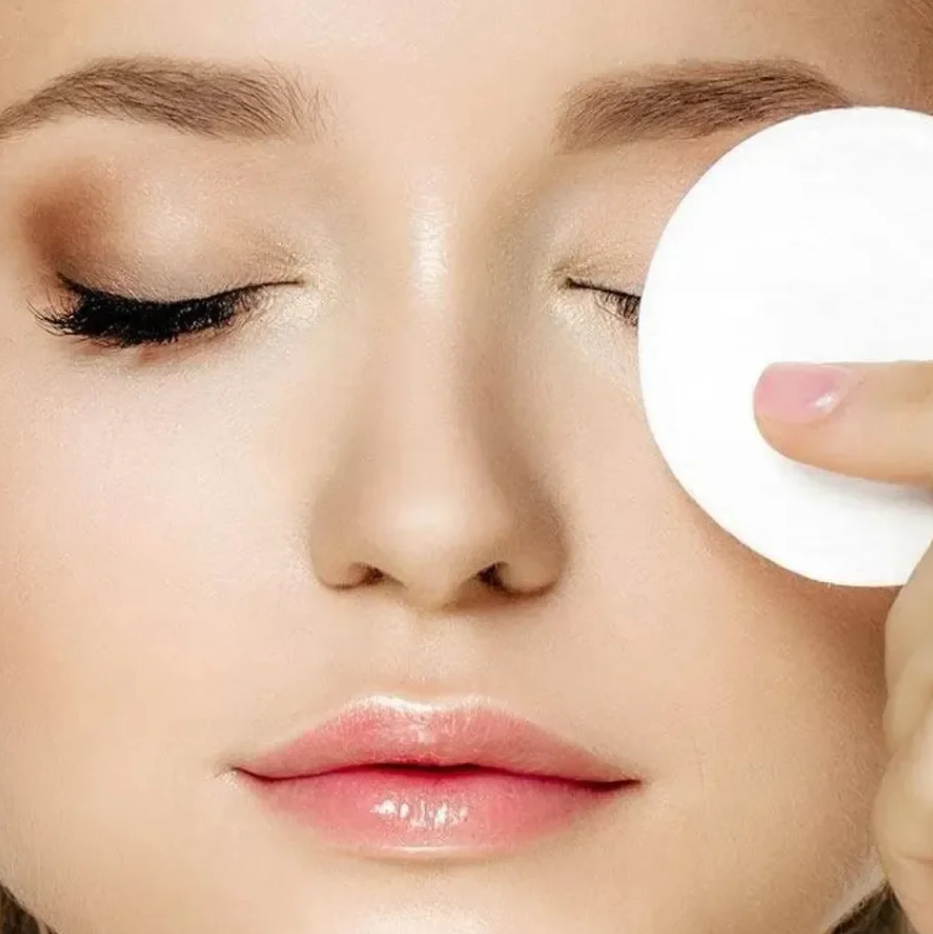
This eye makeup remover is gentle, lightweight, and remarkably effective, working quickly to dissolve and remove even the most stubborn powder eyeshadow and other eye makeup formulations. Most importantly, it does not cause any stinging sensations or leave the sensitive skin around my eyes feeling dry or tight. The ease of use is another significant advantage; simply sweep the product over your closed eyelid using a cotton pad, wait a few seconds to let it work its magic, and then gently wipe downward. Afterward, you can follow up with your favorite facial cleanser and complete the rest of your skincare regimen, ensuring your skin is thoroughly cleansed and nourished.

The ingredients list for this product includes: Water\Aqua\Eau, Peg-32, Butylene Glycol, Disodium Cocoamphodiacetate, Peg-6, Disodium Edta, and Phenoxyethanol <ILN36349>.
Butylene glycol, also known as 1,3-butanediol, is a versatile, low-viscosity alcohol derived from either petroleum or natural sources. It is widely utilized in skincare and cosmetic formulations as a humectant, solvent, and viscosity reducer. This ingredient plays a crucial role in enhancing product texture, preventing formula clumping, and boosting skin moisture levels by reducing water loss. While it is generally regarded as safe and non-toxic for most individuals, it can potentially cause skin irritation or allergic reactions in those with particularly sensitive skin. According to the Environmental Working Group (EWG), it is rated 1 on a 1-10 scale, indicating a low risk for adverse effects. However, it is important to note that potential side effects for sensitive skin may include rashes, swelling, or irritation.
Disodium cocoamphodiacetate is another key ingredient, which is a mild, coconut-derived amphoteric surfactant. This ingredient is commonly found in personal care products, including shampoos, body washes, and even baby products, as it cleanses effectively without causing irritation or drying the skin. It serves multiple functions, acting as a foaming agent, conditioner, and solubilizer, and is often utilized to enhance the mildness of formulations while reducing irritation caused by harsher surfactants. Its gentle nature makes it particularly suitable for sensitive skin types, and it remains stable across a wide pH range, ensuring its effectiveness in various formulations.
PEG-6 (Polyethylene Glycol-6) is a synthetic, water-soluble polymer and surfactant that is commonly used in cosmetic products as a solvent, emulsifier, and humectant. Often found in formulations as PEG-6 Caprylic/Capric Glycerides, it is a key ingredient in micellar waters, where it helps to cleanse and solubilize oils effectively. This ingredient typically has a low irritation profile, making it a safe choice for a wide range of skin types.
Disodium EDTA (Ethylenediaminetetraacetic acid disodium salt) serves as a versatile chelating agent in cosmetics, skincare, and personal care products. Its primary function is to stabilize formulations by binding metal ions, which can otherwise lead to product degradation. By enhancing the efficacy of preservatives, preventing discoloration, and improving the overall texture in various products such as shampoos, lotions, and creams, it plays a crucial role in maintaining product integrity. It is usually used at low concentrations (0.05%–0.2%) and is generally considered safe for use in cosmetics, as it does not readily penetrate the skin and is not a strong skin sensitizer.
Phenoxyethanol is a colorless, oily, and slightly aromatic preservative that is commonly found in cosmetics, vaccines, and personal care products. It is typically used at concentrations under 1% to prevent the growth of bacteria and mold, ensuring the safety and longevity of the product. While it is deemed safe for adults and is generally well-tolerated, potential side effects can include skin irritation, eczema, and in rare cases, allergic reactions.
In conclusion, it is immensely important to know and understand the products you use daily on your skin, particularly those around the delicate eye area. I have taken the time to conduct general research on the ingredients and their functions for you. However, if you have any concerns or wish to learn more, I encourage you to embark on your own research journey to ensure that you are making informed decisions about the products you choose to incorporate into your skincare routine.
Comments