
The Miracle Wand?
- Kristine Ohkubo

- Apr 15
- 4 min read
What you need to know about lash serums
The modern long lash trend, specifically semi-permanent extensions, witnessed a remarkable explosion in popularity during the early 2000s, marking a significant shift in beauty standards and practices. While the concept of false lashes can be traced back to the early 1900s and gained notable traction in the 1960s with the rise of iconic figures like Twiggy, the trend for individualized, long-lasting eyelash extensions began to gain widespread acceptance in the U.S. around 2004. This surge in popularity was largely fueled by high-profile celebrities such as Kim Kardashian and Beyoncé, who showcased their luxurious lashes on social media and red carpets, influencing countless fans to seek similar enhancements. However, it is crucial to note that while lash extensions can create a stunning look, they also carry the risk of damaging natural lashes if the appropriate weight and length are not applied correctly. The damage often arises from factors such as poor application techniques, inadequate aftercare, or the unfortunate habit of pulling the extensions out, which can lead to long-term consequences for natural lash health.
As we look ahead to 2026, the lash trend has evolved significantly, with a marked preference for a more natural glam aesthetic. This new direction prioritizes soft, airy, and wispy textured lash sets that enhance the eyes without overwhelming them, steering away from the previously favored dense and heavy volume styles. In response to this shift, many women are increasingly turning to lash growth serums as an alternative means to achieve longer, thicker, and darker lashes. These serums work by stimulating the growth phase, known as the anagen phase, while also nourishing the hair follicles. The formulations of these serums often include beneficial ingredients such as peptides and prostaglandins, which are designed to boost lash density, reverse breakage, and eliminate the need for daily mascara or extensions. As a result, users can enjoy a more "awake" and rejuvenated appearance with minimal daily effort, which aligns perfectly with the fast-paced lifestyles many lead today.
Prostaglandin-based serums, such as Latisse and RapidLash, are particularly noteworthy as they can prolong the duration of the growth phase, allowing lashes to grow longer than they would naturally. However, despite their remarkable effectiveness, these prostaglandins come with potential side effects, including the development of dark circles under the eyes, changes in iris color, and fat loss around the eye area, which can be concerning for many users.
In fact, obtaining Latisse in the U.S. requires a prescription, as it is classified as an FDA-approved drug (bimatoprost) that necessitates a consultation with a licensed healthcare provider. This means it cannot simply be purchased over-the-counter; instead, it is accessible through dermatologists, ophthalmologists, or accredited online telehealth services that can provide the necessary consultation and prescription.
On the other hand, numerous over-the-counter options have emerged in the beauty market, often utilizing a combination of peptides and nutrients that offer a safer approach to conditioning and strengthening lashes without the risks associated with prescription treatments. These products typically focus on enhancing the overall health of the lashes rather than inducing rapid growth, making them a popular choice for those wary of potential side effects.
It is important to keep in mind that regular and consistent use of these serums is generally required to maintain the desired results. If the application is stopped, lashes will typically return to their original state, which can be disappointing for those who have invested time and money into the treatment.
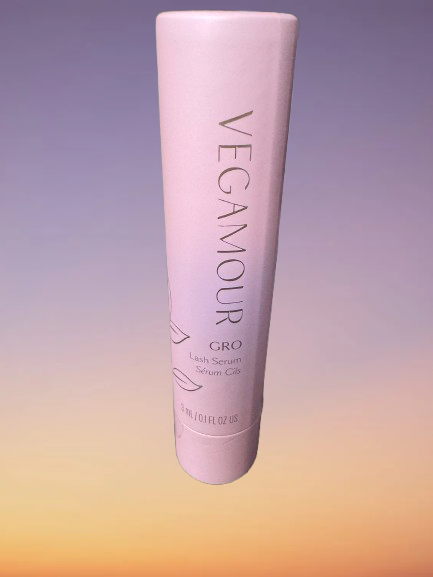
Recently, I stumbled upon Vegamour GRO Lash Serum, which piqued my interest due to its claims of being a clean, vegan lash-enhancing serum. It is formulated with powerful plant-based phytoactives and clinically proven peptides aimed at delivering visibly thicker and fuller lashes. The company asserts that based on a 60-day clinical study involving 30 participants who used the GRO Lash Serum twice daily, many reported seeing visibly fuller and longer-looking lashes within just two months of use.
In fact, Vegamour GRO Lash Serum has received notable recognition, being listed as the "best eyelash serum overall" by Cosmopolitan magazine in their article titled "The Best Eyelash Growth Serums That Cosmo Editors Swear By for Longer, Stronger Lashes," which was published on January 29, 2026. This endorsement from a reputable source certainly adds to its credibility: https://shorturl.at/lQYrV

The comprehensive ingredient list for Vegamour GRO Lash Serum includes: Water/Aqua/Eau, Pentylene Glycol, Propanediol, Glycerin, Butylene Glycol, Magnolia Officinalis Bark Extract, Gellan Gum, Xanthan Gum, (Trifolium Pratense (Clover)/Vigna Radiata) Sprout Extract, Sodium Benzoate, Potassium Sorbate, Lactic Acid, Dextran, Sodium Hydroxide, Acetyl Tetrapeptide-3, and Trifolium Pratense (Clover) Flower Extract.
So, what was the consensus after 60 days of consistent use? Having been a loyal client of professional lash extension services for over four years, I had observed a gradual weakening and thinning of my natural lashes over time. With this concern in mind, I decided to try the Vegamour GRO Lash Serum, which is marketed as vegan, safe, and proven to work. However, after diligently applying the serum to my lash line twice a day for the full 60 days, I was disappointed to find that I experienced absolutely no visible results. My lashes still appeared thin, sparse, and short, which was disheartening. The only positive aspect of this experience was that the formula did not irritate my eyes or cause any discoloration of the skin surrounding my eyes, which is a common concern with many lash products.
At a price point of $68 for a 3mL/0.1 fl oz tube, this turned out to be quite an expensive experiment that yielded no results. The lesson learned here is that even after extensive research and reading reviews about products, they do not always deliver on the promises they make. It serves as a reminder to approach beauty products with a critical eye and to consider that individual results can vary significantly.

Comments