
The Truth About Popular Beauty Products Revealed
- Kristine Ohkubo

- Feb 16
- 5 min read
Quasi Bio-Collagen Face Mask
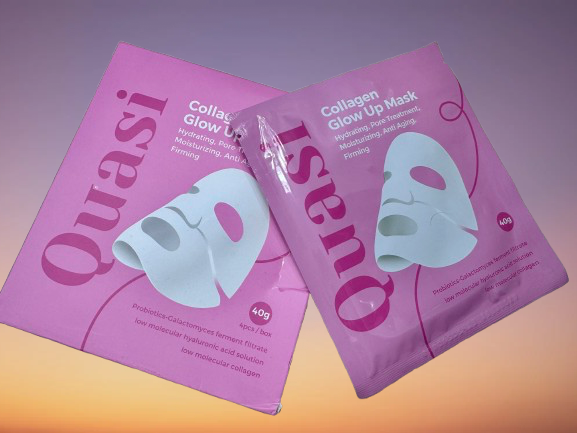
Korean skincare, often referred to as K-beauty, is currently undergoing a remarkable global surge that has captured the attention of beauty enthusiasts and casual consumers alike. With U.S. sales surpassing an impressive $2 billion in 2025, this growth is propelled by a staggering 37% year-over-year increase. K-beauty is celebrated for its innovative and gentle formulations, particularly those designed to achieve the highly coveted "glass skin" look, characterized by a clear, dewy, and radiant complexion. This trend has firmly established K-beauty as a mainstream staple, readily available in major retailers such as Sephora and Ulta, making it accessible to a wide audience. South Korea has emerged as one of the top three global exporters of beauty products, often competing closely with renowned beauty powerhouses like France and the United States. Interestingly, the driving force behind this trend is primarily Gen Z and young consumers, who are increasingly investing in these products with a focus on long-term skin health and wellness.

The "Glass Skin" trend is not just a passing fad; it emphasizes the pursuit of a complexion that is not only clear but also luminous and hydrated. This aesthetic has been highly popularized on social media platforms such as TikTok and Instagram, where beauty influencers and skincare aficionados share their routines and results, further fueling the demand for K-beauty products. The allure of achieving such a flawless look has led many to explore the extensive range of products available, from serums and essences to masks and creams, each promising to contribute to that ultimate glass-like finish.
As the K-beauty phenomenon continues to gain traction, many brands and entrepreneurs are eager to capitalize on this explosive trend, resulting in a flood of copycat products entering the market. It has become increasingly common to encounter a myriad of skincare items manufactured in China that claim to be of Korean origin but often contain substandard ingredients. Therefore, it is essential for consumers to be resourceful and diligent in their research to ensure they are investing in authentic K-beauty products that deliver the promised results.
In my quest for quality K-beauty products, I stumbled upon the Quasi Bio-Collagen Face Mask Overnight – Hydrating Korean Sheet Mask while browsing online. I took the time to read consumer reviews and thoroughly investigated their official website. During my research, I also discovered several products on Amazon that appeared to be copycat versions of Quasi's offerings. Despite my initial skepticism, I decided to order a box containing four masks to personally test the product and gain further insights.
Quasi, a company that emerged in 2024, presents itself as a Korean brand dedicated to K-beauty innovations, specifically focusing on collagen treatments sourced from Korean laboratories. Their goal is to bring authentic Korean skincare to a global audience. However, some users on various forums have raised questions about the brand's authenticity and have expressed a preference for established brands like Biodance, which has built a reputation for quality and effectiveness in the skincare community.
Upon visiting Quasi's website, I found claims that they collaborate directly with Korean skincare experts to ensure their products maintain authenticity and offer superior formulations. However, a deeper dive into their trademark registration revealed that Quasi, a brand specializing in "Korean-inspired" skincare products such as bio-collagen masks, is actually a registered trademark owned by Kong Capital LLC, a real estate investment firm based in New York. This connection raises eyebrows, especially considering Kong Capital's focus on strategic investments in the Senior Housing sector. The juxtaposition of real estate and Korean skincare is certainly perplexing.
According to the trademark registration, Quasi's headquarters are located at 486 Thorn Hill Rd, Nineveh, NY 13813. A quick search on Google Earth indicates that the address is an empty field in Nineveh, New York, further complicating the brand's legitimacy. It appears that their products are exclusively available for purchase online, raising questions about their distribution and marketing practices.

Like many other consumers, I felt somewhat misled by the branding and marketing of Quasi. Nevertheless, I decided to put my initial doubts aside and focus on the product itself.

The ingredients listed for the Quasi Bio-Collagen Face Mask include: Aqua, Glycerin, Propylene glycol, Betaine, Sodium carrageenan, Polyurethane-35, Glucomannan, 1,2-Hexanediol, Hydroxyacetophenone, Hydroxyethylcellulose, Pentylene glycol, Butylene glycol, Dipotassium glycyrrhizate, Matrine, Potassium chloride, Galactomyces ferment filtrate, Allantoin, Tocopheryl acetate, Niacinamide, Hydrolyzed collagen, Hydrolyzed sodium hyaluronate, Sodium hyaluronate, Hydroxyphenyl propamidobenzoic acid.
In contrast, if you compare this list to the ingredients for the BIODANCE collagen mask, the BIOTIN version stands out for its inclusion of natural extracts, which the Quasi version lacks. The ingredient list for the BIODANCE mask includes: Water, Glycerin, Acrylates Copolymer, Niacinamide, Ceratonia Siliqua (Carob) Gum, Chondrus Crispus Extract, Dipropylene Glycol, Betaine, Algin, Agar, Hydroxyacetophenone, 1,2-Hexanediol, Potassium Chloride, Caprylyl Glycol, Sucrose, Allantoin, Polyglyceryl-10 Laurate, Ethylhexylglycerin, Galactomyces Ferment Filtrate, Adenosine, Disodium EDTA, Pyrus Communis (Pear) Fruit Extract, Rosa Damascena Flower Water, Collagen Extract, Iris Florentina Root Extract, Cucumis Melo (Melon) Fruit Extract, Hedera Helix (Ivy) Leaf/Stem Extract, Butylene Glycol, Dipotassium Glycyrrhizate, Hydrolyzed Hyaluronic Acid, Lactobacillus Ferment, Bifida Ferment Filtrate, Lactobacillus Ferment Lysate, Tocopherol.
The Quasi mask is designed in two parts, consisting of an upper and lower section, with small cutout patches intended for application under the eyes and around the mouth, where the mask does not fully cover. The texture of the mask is notably wet and slippery, necessitating careful handling to avoid tearing. Additionally, positioning the mask on the face can be somewhat challenging due to its saturation with product, causing it to slip and slide during application.





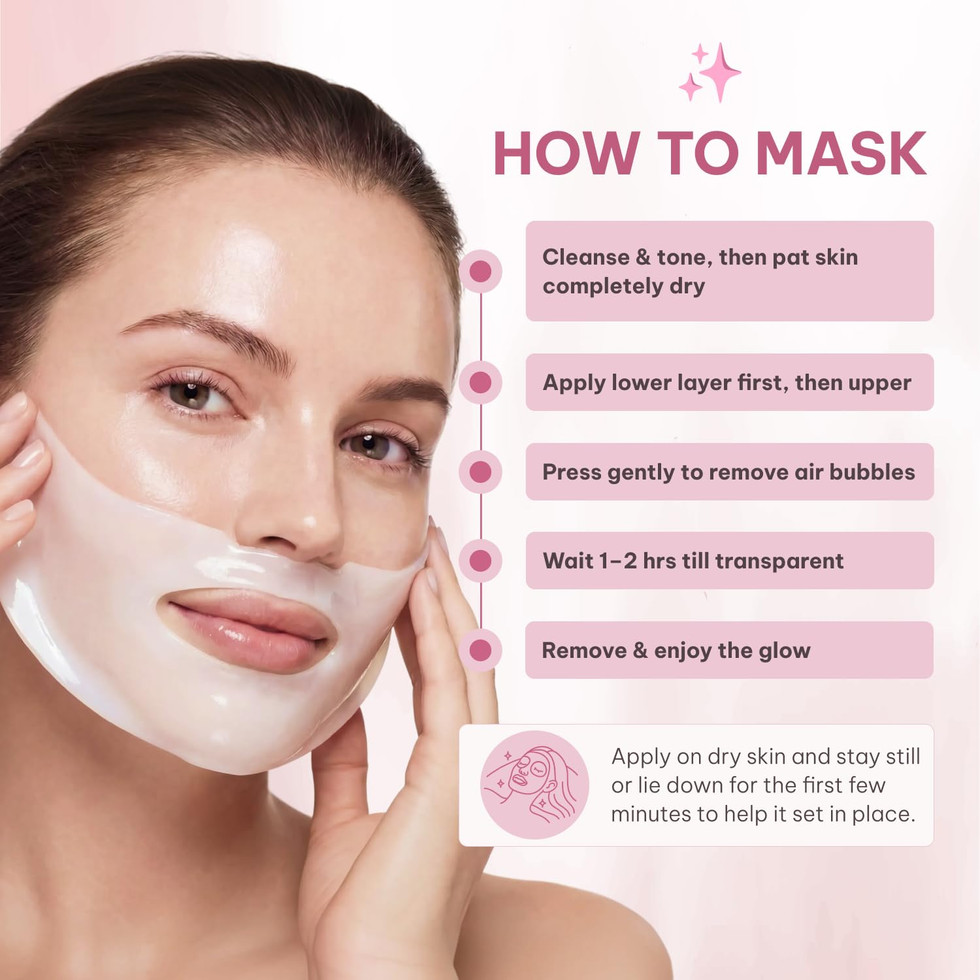
Once successfully positioned on the face, users may experience a tightening sensation after just a few minutes as the mask begins to dry. After two hours, the mask becomes semi-transparent, signaling that it is time to remove it. Contrary to the advertising images that suggest the mask becomes crystal clear, my experience did not align with this expectation.

Upon removing the mask, my skin felt moist and slightly sticky, with the smoothing effects lasting for approximately 24 hours. While the mask did provide some hydration, the overall experience left me questioning its long-term value.
Would I recommend this product now that I have gathered all this information? Considering Quasi's price point of $39.99 for a box of four masks, I find myself leaning towards the BIOTIN brand, which retails on Amazon for $19.00 for four masks, equating to just $4.75 per mask. The significant difference in price, coupled with the inclusion of natural extracts in the BIODANCE formulation, makes it a more appealing option in my opinion.

Comments