
Extreme dieting in Hollywood
- Kristine Ohkubo

- Mar 2
- 3 min read

A culture that prioritizes appearance over health...
Extreme dieting in Hollywood has long been an entrenched aspect of the industry's relentless obsession with youth and thinness. This fixation drives many celebrities to adopt dangerous, highly restrictive, and sometimes bizarre eating habits, all in an effort to meet the intense pressures imposed by the industry for roles, magazine shoots, or red carpet appearances. The pursuit of an idealized body image often leads to drastic measures that can compromise both physical and mental health. While some celebrities have recently turned to GLP-1 drugs for rapid weight loss, the historical and ongoing trend encompasses extreme calorie restriction, fad diets that promise quick fixes, and excessive exercise regimes that health experts consistently warn are unsustainable and potentially hazardous.
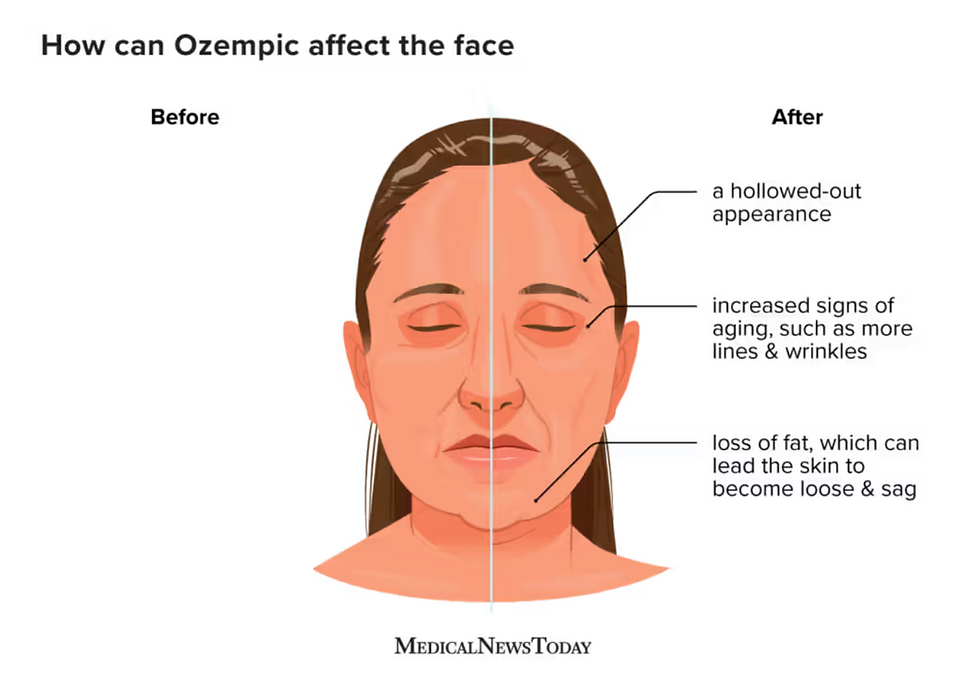
GLP-1 receptor agonists, such as semaglutide and tirzepatide, are highly effective FDA-approved medications primarily designed for managing type 2 diabetes and chronic weight management. These medications, known by brands like Ozempic, Wegovy, Mounjaro, and Zepbound, work by mimicking a natural hormone in the body that regulates blood sugar levels, slows down digestion, and increases feelings of fullness or satiety. While they can provide rapid weight loss results, common side effects associated with these drugs include nausea, diarrhea, and constipation, which can be uncomfortable and may deter some users from continuing their treatment. The rise of these medications highlights a shift in the industry’s approach to weight loss, yet it also raises questions about the long-term implications of relying on pharmaceuticals instead of sustainable lifestyle changes.

In the pursuit of their craft, many actors undergo drastic physical transformations for specific characters, often resulting in significant weight loss or gain. While these changes are frequently praised as a testament to their dedication and commitment to their roles, they often involve severe caloric deficits and extreme workout regimens that professionals warn should not be emulated by the general public. The glorification of such transformations can perpetuate harmful ideals about body image and the lengths to which individuals might go to achieve them, leading to a culture that prioritizes appearance over health.
![Kelly Osbourne raved about Ozempic while chatting with E! News. "I think it's amazing. There are a million ways to lose weight. Why not do it through something [that] isn't as boring as working out?"](https://static.wixstatic.com/media/951d60_f4a1d70f266448739d3996c42a16f709~mv2.png/v1/fill/w_643,h_931,al_c,q_90,enc_avif,quality_auto/951d60_f4a1d70f266448739d3996c42a16f709~mv2.png)
Various restrictive trends, such as liquid-only "cleanses" or diets that limit intake to a very small number of specific foods, frequently gain popularity within this context. These methods often lack essential nutrients and are not grounded in sound nutritional science, leading to imbalanced diets that can be detrimental to overall health. Many individuals who partake in these diets may experience initial weight loss, but this is often followed by rebound weight gain and a cycle of yo-yo dieting that is difficult to break.
Engaging in extreme dieting practices can lead to severe nutrient deficiencies, slowed metabolism, hormonal imbalances, and cardiovascular issues, all of which can have lasting effects on an individual’s health. The body requires a balanced intake of macronutrients and micronutrients to function properly, and depriving it of these essentials can result in a myriad of health issues that extend beyond mere weight concerns.
Individuals who have undergone extreme dieting often report significant physical exhaustion, hair loss, and long-term organ damage as a result of their restrictive habits. The mental strain of maintaining such restrictive eating patterns can also be profound, leading to anxiety, depression, and disordered eating behaviors. The pressure to conform to an idealized body image can create a vicious cycle of self-criticism and body dissatisfaction, further exacerbating mental health challenges. It is crucial for both industry professionals and the general public to recognize the dangers associated with extreme dieting and to advocate for healthier, more sustainable approaches to weight management and body image.


Comments