
Understanding the Connection Between GLP-1 Medications and Hair Loss
- Kristine Ohkubo

- Mar 4
- 3 min read
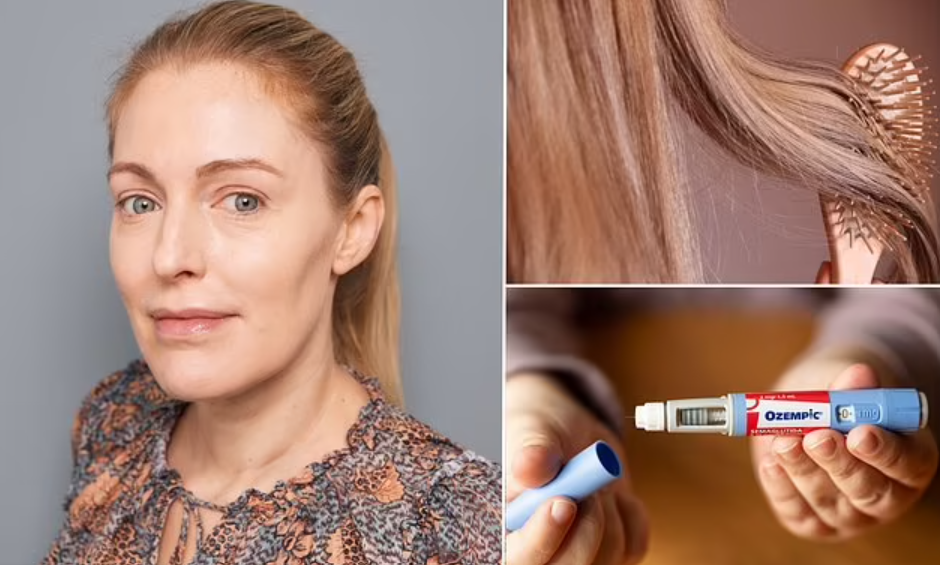
As you are aware, popular weight loss drugs such as Ozempic and other GLP-1 medications have become well-known in today's society. Initially developed for diabetes management, they are now widely used by those seeking significant weight loss. As more individuals celebrate healthier weights and improved well-being, a new question has emerged: Do GLP-1 medications lead to hair loss?
In clinical trials of Wegovy (high-dose semaglutide) for obesity, approximately 3% of participants reported hair loss. Similarly, with tirzepatide (Mounjaro), another popular GLP-1 medication, 5.7% of patients on the highest dose experienced hair loss.
Dr. Rehan Karim from U.S. Dermatology Partners North Dallas suggests that the connection is more likely linked to the effects of rapid weight loss and the body's response to changes in metabolism and nutrition. Dr. Karim explains that most patients experiencing hair loss after starting Ozempic are dealing with a condition known as telogen effluvium, a common temporary hair shedding that can occur after significant body changes, such as:
Rapid or significant weight loss
Major illness or surgery
Hormonal changes
Nutritional deficiencies
With GLP-1 medications like Ozempic, the body may interpret fast weight loss as a form of stress, triggering telogen effluvium. The body redirects resources away from "non-essential" functions like hair growth to conserve energy, shifting more hair follicles into a “resting phase,” which results in increased shedding.
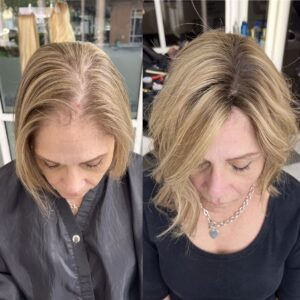
GLP-1 medications significantly reduce appetite, often leading to lower protein intake, possible deficiencies in iron, zinc, and other nutrients vital for hair growth, and overall caloric restriction. These nutritional factors can exacerbate the stress of weight loss on your hair.
Some research indicates GLP-1 medications might indirectly affect certain hormones, including thyroid function, which could potentially influence hair growth. However, this connection remains theoretical, and more studies are needed.
Hair loss associated with GLP-1 medications is almost always temporary.
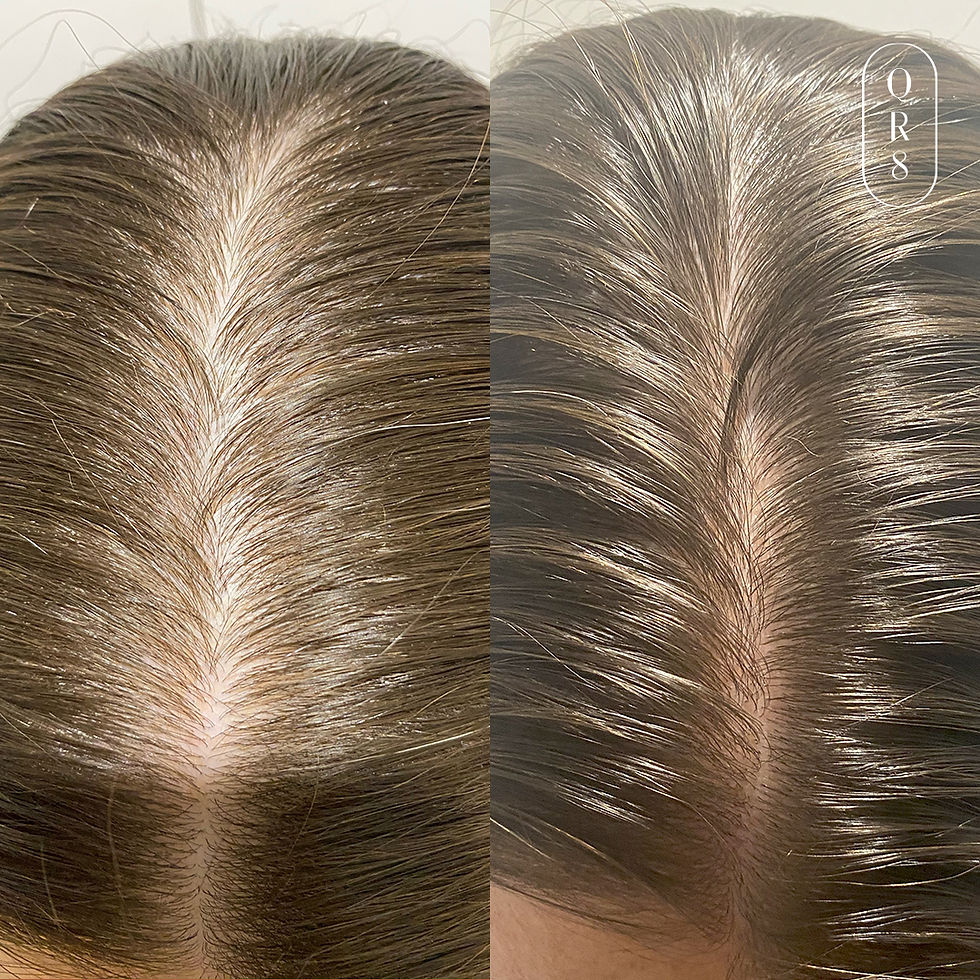
Telogen effluvium typically starts about 2-3 months after the triggering event (rapid weight loss), resolves on its own within approximately 6 months, and results in complete hair regrowth in the following months.
Researchers have found no evidence that Ozempic or similar medications cause permanent hair follicle damage. Once your weight stabilizes and your body adjusts to the changes, hair growth usually returns to normal.
While anyone might experience hair shedding with rapid weight loss, certain factors might increase your risk:
Losing weight very rapidly (more than 1-2 pounds per week)
Not consuming enough protein while on the medication
Pre-existing nutrient deficiencies, especially iron, zinc, or vitamin D
Being female (some research suggests women might be slightly more prone to this side effect)
Having underlying hair thinning conditions (GLP-1 medication-related shedding might make existing issues more noticeable)
While temporary hair shedding is usually not concerning, consult a healthcare provider if:
Your hair loss seems excessive (coming out in large clumps rather than strands)
You develop bald patches (rather than general thinning)
Hair loss continues for more than 6 months
You have other concerning symptoms along with hair loss
Your doctor might check for nutrient deficiencies or thyroid issues, evaluate other potential causes of hair loss, discuss whether adjusting your medication dose might help, or refer you to a dermatologist for specialized treatment if needed.
The key factor appears to be how much and how quickly you lose weight, rather than which specific medication you take. Medications that lead to more dramatic weight loss might have slightly higher rates of hair shedding.


Comments