
The Surprising Benefits of Kimchi for Achieving Healthy Skin
- Kristine Ohkubo

- Mar 25
- 3 min read

We've heard it said many times that diet directly impacts skin health, affecting its structure, aging process, and inflammation levels through the nutrients we consume. A diet that is rich in antioxidants, healthy fats—particularly omega-3 fatty acids—and essential vitamins such as A, C, and E is crucial for promoting collagen production, enhancing skin hydration, and reducing the prevalence of acne. Antioxidants help combat oxidative stress, which can lead to premature aging and skin damage, while healthy fats play a vital role in maintaining the skin's lipid barrier, ensuring it remains moisturized and supple. Conversely, a diet high in sugar and processed foods can lead to increased inflammation in the body, which not only contributes to various skin issues but also accelerates the aging process, leading to wrinkles, fine lines, and a dull complexion.
We are also witnessing a significant surge in the popularity of the Korean skincare industry, often referred to as K-Beauty. This industry has emerged as a global leader, recognized for its relentless innovation, affordable luxury, and a strong focus on skin health and hydration. Products featuring unique ingredients such as snail mucin and formulations aimed at barrier repair have gained immense popularity worldwide. As of 2025, South Korea has proudly positioned itself as the world's second-largest exporter of beauty products, a remarkable feat driven by the trending "glass skin" phenomenon, the influence of "K-culture" including K-pop and Korean dramas, and the rapid development of new and effective skincare products that cater to various skin types and concerns.
In early 2025, Korea surpassed the United States to become the world’s second-largest cosmetics exporter, trailing only France, with exports reaching an impressive $5.5 billion in the first half of that year alone. The United States remains a major market for these products, with a substantial demand reflected in the shelves of retailers such as Sephora and Walmart, where K-Beauty products are becoming increasingly accessible to a wider audience.
A significant aspect of the Korean beauty regimen that contributes to the renowned, radiant "glass skin" of Korean women is the consumption of fermented foods, including kimchi, doenjang (soybean paste), and makgeolli (rice wine). These traditional foods are rich in probiotics, which are beneficial for improving gut health and reducing skin inflammation. The positive effects of these foods can lead to a clearer, more resilient complexion, showcasing the deep connection between dietary habits and skin health.
The Gut-Skin Connection: The gut-skin axis represents a bidirectional communication network where gut health directly influences various skin conditions through mechanisms such as inflammation, immune system regulation, and microbial signals. A balanced and diverse gut microbiome is essential for maintaining skin health. When dysbiosis occurs—often due to poor diet, stress, or the overuse of antibiotics—it can trigger various skin issues, including acne, eczema, and psoriasis. Probiotics found in fermented foods are instrumental in balancing the gut microbiome, which in turn helps decrease inflammation and the occurrence of acne, leading to healthier skin overall.
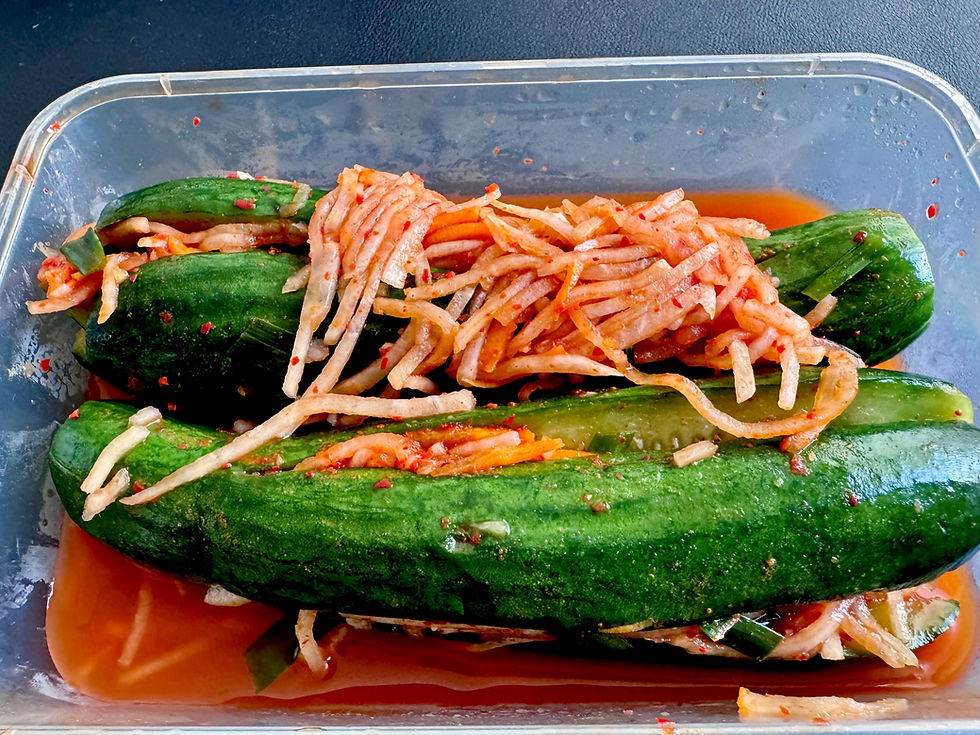
Kimchi, a traditional Korean staple dish, is commonly made from fermented vegetables like napa cabbage and radish, seasoned with ingredients such as chili powder (gochugaru), garlic, ginger, and fish sauce. This nutritious fermented food is known for its tangy, spicy, and complex umami flavor, often served as a staple side dish (banchan) in Korean cuisine. Its preparation involves a fermentation process that enhances its probiotic content, making it not only delicious but also beneficial for health.
Kimchi significantly benefits skin health by promoting a healthy gut microbiome through the presence of probiotics, particularly strains like Lactobacillus, which reduces inflammation, manages acne, and improves skin resilience. Additionally, kimchi is rich in vitamins A, C, and K, as well as selenium, all of which support collagen production, reduce oxidative damage, and offer anti-aging effects that contribute to a clearer, glowing complexion.

Research studies suggest that kimchi extract can boost the expression of hyaluronic acid and elastin, both of which are essential for maintaining a strong skin barrier and ensuring deep hydration. The ingredients found in kimchi, such as garlic and selenium, play a protective role for skin cells against environmental stressors, including harmful ultraviolet rays and pollution, which can lead to premature aging and skin damage.

Consuming kimchi daily can support the pursuit of "glass skin" from the inside out by improving digestion and providing essential antioxidants that combat oxidative stress. This holistic approach to skincare underscores the importance of integrating healthy dietary choices with topical skincare routines to achieve optimal skin health and a radiant complexion.


Comments